
Creating a sustainable garden in a small urban space might seem challenging at first, but with the right approach, it can become a rewarding and eco-friendly project. Urban gardening not only brings greenery to your home but also helps reduce your carbon footprint and supports local biodiversity. Whether you have a tiny balcony, a small patio, or just a windowsill, you can develop a thriving garden that benefits both you and the environment.
Why Choose Sustainable Gardening?
Sustainable gardening focuses on growing plants in ways that protect the environment, conserve resources, and promote biodiversity. Instead of relying on chemical fertilisers and pesticides or excessive water use, sustainable gardeners use natural methods and recycle materials. This approach is especially important in urban areas where space and resources are limited.
Planning Your Small Urban Garden
Assess Your Space
Before starting, carefully evaluate the size and conditions of your available space. Note the amount of sunlight your garden receives, the available surfaces (soil, containers, walls), and exposure to wind or pollution. This assessment helps you choose the right plants and gardening methods.
Choose Suitable Containers
Containers are essential for urban gardening where soil space is limited.
– Use pots, window boxes, or raised beds made from recycled or sustainable materials.
– Ensure containers have good drainage to prevent waterlogging.
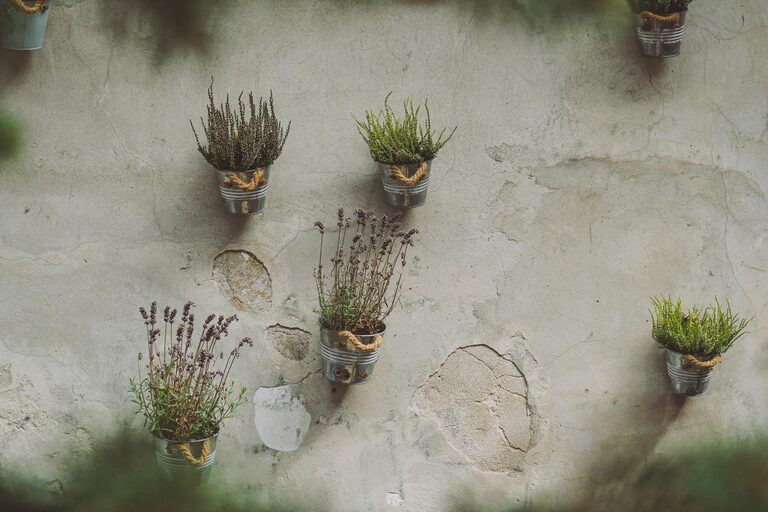
– Consider vertical planters or wall-mounted pockets to save floor space.
Plant Selection for Urban Sustainability
Choosing the right plants can make all the difference in a small, sustainable garden.
– Native and drought-tolerant plants: Native species are adapted to the local climate and require less water and maintenance.
– Edible plants: Herbs, salad greens, and some vegetables can thrive in containers and provide fresh produce.
– Pollinator-friendly plants: Flowers such as lavender, marigolds, and bee balm attract bees and butterflies, boosting local biodiversity.
Water Conservation Techniques
Water is often a limited resource in urban settings, so conserving it is crucial.
– Rainwater harvesting: Use a small barrel or container to collect rainwater for watering plants.
– Water at the right time: Early morning or late evening watering reduces evaporation.
– Self-watering containers: These reduce water waste by providing a steady supply to plants.
– Mulching: Apply organic mulch on the soil surface to retain moisture and reduce weeds.
Soil and Composting Tips
Healthy soil is the foundation of sustainable gardening.
– Use organic potting mixes that provide good drainage and nutrients.
– Start a small compost bin to recycle kitchen scraps like vegetable peelings and coffee grounds.
– Compost enriches your soil naturally, reducing the need for chemical fertilisers.
Pest Management Without Chemicals
Urban gardens can attract pests, but you can manage them safely.
– Encourage natural predators: Ladybirds, spiders, and birds help keep pests under control.
– Plant companion plants: Some plants, like marigolds or basil, deter unwanted insects.
– Manual removal: Handpick pests or use a gentle spray of soapy water.
Maximising Space and Light
Getting the most out of your limited space means being creative.
– Vertical gardening: Use trellises or wall-mounted planters to grow climbing plants.
– Hanging baskets: Grow trailing plants or herbs overhead.
– Reflective surfaces: Mirrors or light-coloured walls can help direct more sunlight to your plants.
– Rotate plants seasonally: Swap out heavy feeders for nitrogen-fixers or flowers to keep soil healthy.
Benefits Beyond the Garden
Creating a sustainable urban garden is not only environmentally friendly but also brings personal benefits.
– Improves air quality and reduces urban heat effects.
– Provides a relaxing, green retreat in the city.
– Offers hands-on educational opportunities about nature and sustainability.
– Supports mental well-being by connecting you with nature.
Summary Checklist for Sustainable Small Urban Gardens
– Assess light, wind, and available surfaces.
– Use recycled or eco-friendly containers.
– Select native, drought-tolerant, and pollinator-friendly plants.
– Conserve water with rain harvesting, mulching, and smart watering.
– Start composting kitchen waste.
– Avoid chemical chemicals; opt for natural pest control.
– Maximise space with vertical and hanging gardens.
– Enjoy the personal and environmental rewards.
With a bit of planning and care, even the smallest urban spaces can become lush, sustainable gardens. Not only will you create a beautiful green area, but you’ll also contribute positively to your local environment. Happy gardening!
