Creating a home office that feels both relaxing and productive can be a game-changer for anyone working remotely or running a business from home. A well-designed workspace helps to reduce stress, maintain focus, and ultimately improve your work quality. Whether you have a dedicated room or a small corner, the following tips will guide you through setting up an environment that supports your best work.
Choose the Right Location
Selecting where to set up your home office is the first step. Ideally, your space should be quiet and free from distractions. If possible, choose a room with a door to signal when you are working and help minimise interruptions. Near a window is a great choice, as natural light can improve your mood and energy during the day.
If you don’t have an entire room, consider using screens or room dividers to create a designated workspace within a living area or bedroom. This visual separation helps your brain switch into ‘work mode’.
Invest in Comfortable Furniture
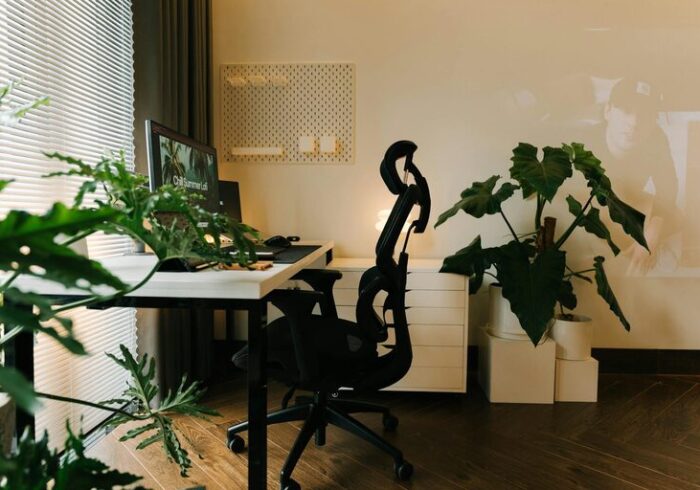
Comfort plays a vital role in productivity and relaxation. An ergonomic chair is essential, providing proper support to your back and encouraging good posture. Consider adjustable chairs and desks that allow you to alternate between sitting and standing positions. This flexibility can reduce discomfort and keep you alert throughout the day.
Your desk should be spacious enough to hold your computer, a notebook, and other essentials without feeling cluttered. A cluttered workspace can be distracting and stressful, so opt for a size that comfortably accommodates your work items.
Pay Attention to Lighting
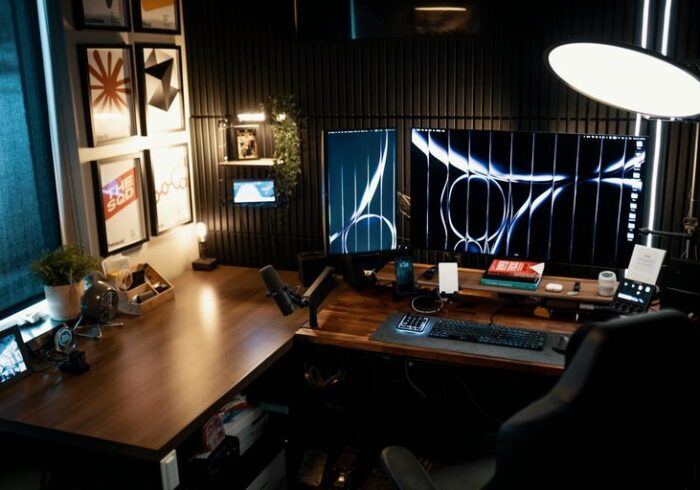
Lighting affects both your mood and your eye health. Natural daylight is best, so position your desk near a window if you can, but avoid glare on your screen. Supplement natural light with artificial lighting; a bright, adjustable desk lamp can help during cloudy days or late work sessions.
Warm, soft lighting can create a relaxing atmosphere, while bright, cooler light encourages concentration. Consider using different types of bulbs or lamps for various times of the day to match your tasks and energy levels.
Organise Your Space Efficiently
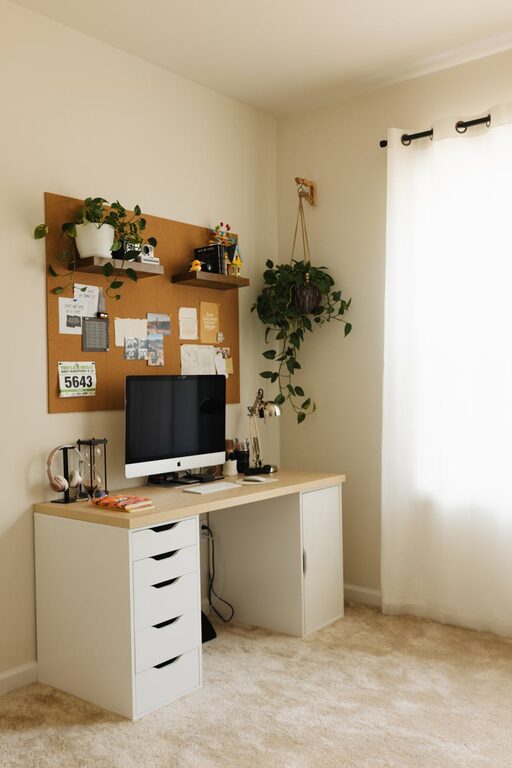
Organisation reduces stress and saves time. Use shelves, drawers, or storage boxes to keep paperwork, stationery, and equipment tidy and easy to reach. Label storage containers to quickly find what you need.
Cable management is also crucial; tangled cords can look messy and become a distraction. Use clips, ties, or cable covers to keep wires neat and out of the way.
Incorporate Calming Elements
To create a relaxing environment, incorporate elements that reduce anxiety and help you stay calm. Plants are excellent for this purpose, bringing a touch of nature inside and improving air quality. Choose low-maintenance indoor plants like snake plants or pothos.
Personal touches such as artwork, photos, or inspirational quotes can also make your space more pleasant. However, try not to overload the area with too many decorations, as this can cause visual clutter.
Minimise Noise Distractions
Noise can disrupt your concentration and increase stress. If your home office is in a noisy area, consider options to block or reduce sound. Noise-cancelling headphones can be very effective. Alternatively, white noise machines or apps that play gentle background sounds might help mask distracting noises.
If possible, add soft furnishings like rugs, curtains, or cushions, which absorb sound and help keep the room quieter.
Set Boundaries and Routine
To maintain a productive mindset, set clear working hours and communicate these to people you live with. Having boundaries prevents interruptions and helps balance work and personal life.
Develop a daily routine that includes regular breaks. Short pauses every hour can boost your focus and prevent fatigue. Use these breaks to stretch, walk, or relax your eyes to stay refreshed.
Optimise Technology for Efficiency
Ensure your technology setup is reliable and convenient. Invest in a good-quality internet connection, a comfortable keyboard and mouse, and a monitor at eye level to reduce neck strain.
Keep your software and devices updated to avoid technical problems that might interrupt your workflow. Use productivity apps and tools to organise tasks and deadlines.
Keep Air Fresh and Comfortable
Good air quality and temperature control can significantly impact how you feel and work. Open windows regularly to let in fresh air or use air purifiers if necessary.
Maintain a comfortable temperature; neither too hot nor too cold. A small desk fan or heater can provide quick adjustments if central heating or cooling isn’t sufficient.
Final Thoughts
Designing a home office that balances comfort and productivity takes thoughtful planning but pays off in improved work satisfaction and efficiency. By selecting the right location, investing in ergonomic furniture, managing lighting and noise, organising your space, and adding calming touches, you can create a sanctuary for focused work that feels inviting rather than stressful.
Remember that your workspace should evolve with your needs. Regularly reassess your setup and make adjustments to keep it supporting your wellbeing and professional goals effectively.