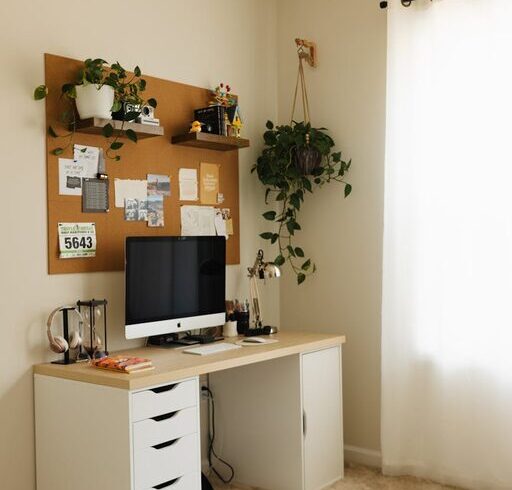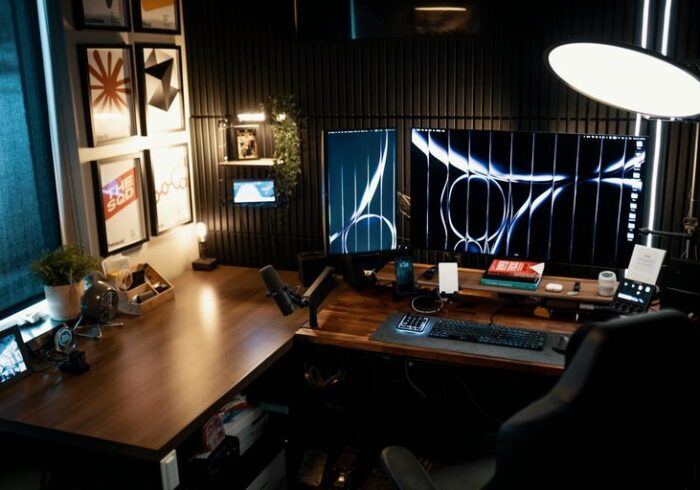
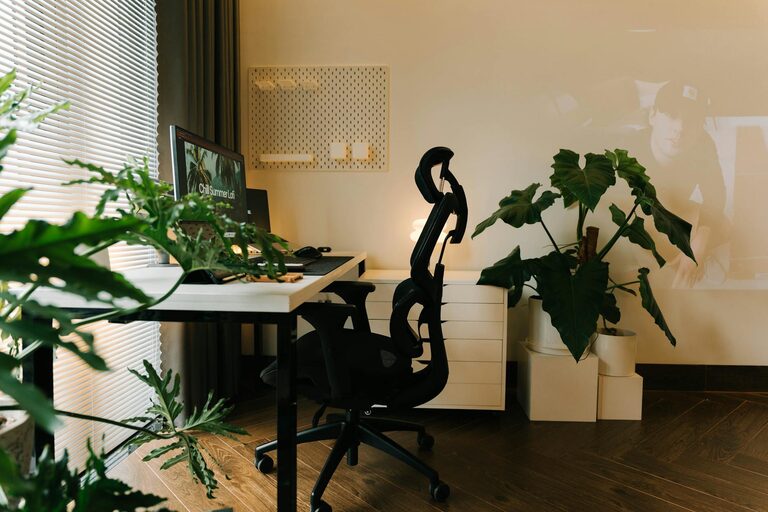
Creating a relaxing home workspace is essential for maintaining productivity and promoting well-being, especially as more people work from home. A well-designed area not only helps you concentrate but also reduces stress and increases your overall comfort throughout the day. Whether you have a dedicated room or just a small corner, there are plenty of ways to make your workspace a calming and efficient environment.
Why a Relaxing Workspace Matters
Working in a cluttered, noisy, or uninspiring space can quickly drain your energy and motivation. Conversely, a thoughtfully arranged workspace supports focus and creativity, which can improve your work quality and make your day feel less tiring. Well-being and productivity go hand in hand; when you feel comfortable and calm, you’re better equipped to tackle tasks without feeling overwhelmed.
Choosing the Right Location
Find a Quiet Spot
Ideally, select an area of your home with minimal distractions and foot traffic. This could be a spare room, a corner of your living room, or even a partitioned space in your bedroom.
Maximise Natural Light
Position your desk near a window if possible. Natural light lifts mood and reduces eye strain, making your workday more pleasant. If natural light is limited, invest in a good quality desk lamp with adjustable brightness.
Comfortable Furniture Matters
Ergonomic Chair
Invest in an ergonomic chair that offers good back support and can be adjusted to your height. Sitting comfortably helps prevent aches and keeps you focused longer.
Desk Height and Size
Choose a desk suitable for your work needs. It should be at an ergonomic height so your arms rest comfortably when typing. Also, ensure there is enough surface space for your computer, paperwork, and any accessories.
Declutter and Organise
Keep Essentials Handy
Only keep items you regularly use on your desk. Storing everything else away helps maintain a clean look and reduces distraction.
Use Organisers
Drawer organisers, trays, and cable management tools help keep stationery and devices tidy. A clutter-free desk can have a calming effect and make you more efficient.
Add Calming Elements
Plants
A few small indoor plants can improve air quality and add a touch of nature, which is naturally soothing. Choose low-maintenance varieties such as succulents or snake plants.
Colours and Decor
Soft, neutral colours create a peaceful backdrop. Avoid overly bright or harsh colours on walls or décor, as these can be stimulating rather than calming. Personalise your space with a few meaningful items, but keep these to a minimum to avoid clutter.
Manage Noise Levels
Use Noise-Cancelling Headphones
If you live in a noisy household, noise-cancelling headphones can help you focus by reducing distracting sounds.
Play Gentle Background Music
Some people find soft instrumental music or nature sounds help concentration. Experiment with what works best for you.
Take Care of Your Well-Being
Regular Breaks
Set reminders to take short breaks away from your desk. Stretching or a brief walk can refresh your mind and body, helping you maintain productivity over a longer period.
Hydration and Snacks
Keep a water bottle nearby and have healthy snacks accessible. Staying hydrated and energised supports mental sharpness.
Lighting Tips for Comfort
Avoid Glare
Position screens to avoid glare from windows or overhead lights. Glare can cause eye strain and headaches.
Use Multiple Light Sources
Combine ambient lighting with task lighting to create a balanced, comfortable setting for your eyes.
Technology and Tools
Invest in Quality Equipment
A reliable computer, keyboard, and mouse suited to your needs reduce frustration and improve workflow.
Minimise Digital Clutter
Organise your desktop and digital files regularly. A neat digital workspace complements your physical one.
Personal Routine and Boundaries
Set Clear Work Hours
Having defined work hours helps you maintain a work-life balance and signals to others when you should not be disturbed.
Create a Start-Up and Wind-Down Routine
Start your workday with a consistent routine, such as tidying your desk or reviewing your to-do list. Likewise, having a “close of work” routine helps you switch off and relax afterwards.
—
Creating a relaxing home workspace is about balance: blending comfort, organisation, and personal touches that inspire focus. By making simple but thoughtful changes, your workspace can become a haven that supports both your productivity and your well-being every day.