
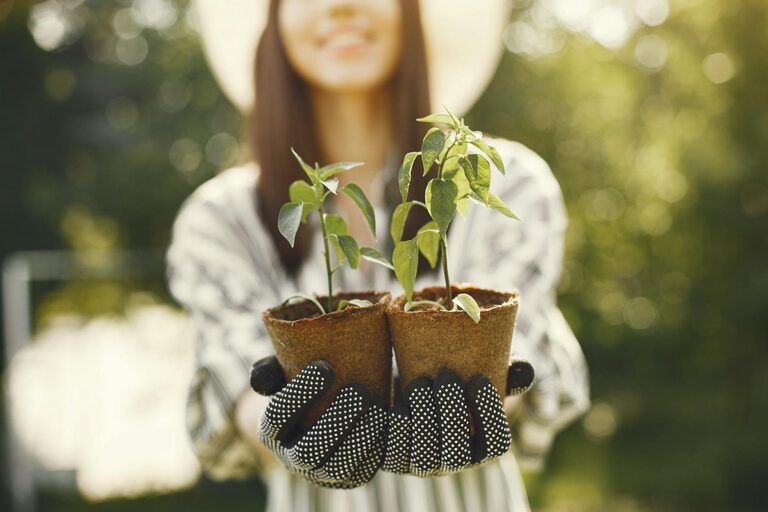
Creating a sustainable and eco-friendly garden at home is a rewarding way to connect with nature and reduce your environmental footprint. Whether you have a sprawling backyard or a small balcony, there are many steps you can take to design a garden that supports local wildlife, conserves resources, and promotes biodiversity. In this post, we’ll explore practical ideas and helpful tips to make your garden greener and more sustainable.
Why Choose a Sustainable Garden?
Sustainable gardening focuses on working with natural processes rather than against them. It helps reduce waste, conserves water and energy, supports pollinators and wildlife, and often means less reliance on chemical products. Beyond environmental benefits, sustainable gardens can also save money and create a healthier outdoor space for you and your family.
Planning Your Eco-Friendly Garden
Assess Your Space and Climate
Begin by understanding the unique characteristics of your garden area:
– Soil Quality: Test your soil to learn its type (clay, sandy, loamy) and pH. This helps determine which plants will thrive.
– Sunlight: Track which areas receive full sun, partial shade, or full shade during the day.
– Climate: Choose plants suited to your local climate and growing season.
– Water Availability: Consider natural rainfall patterns and plan for water conservation.
Choose Native and Wildlife-Friendly Plants
Native plants are adapted to your local environment and generally require less water, fertiliser, and care. They also provide important food and shelter for local wildlife, such as bees, butterflies, and birds.
– Plant a mix of flowering plants, shrubs, and trees for year-round habitat.
– Incorporate plants that flower at different times to support pollinators throughout the seasons.
– Avoid invasive species that can disrupt local ecosystems.
Soil and Composting
Build Healthy Soil Naturally
Healthy soil is the foundation of a sustainable garden.
– Avoid synthetic fertilisers and pesticides, which can harm soil life.
– Use organic mulches like bark or leaf mulch to retain moisture and suppress weeds.
– Incorporate green manures or cover crops, such as clover, to enrich the soil.
Create Your Own Compost
Composting is an excellent way to reduce kitchen and garden waste while creating a nutrient-rich soil amendment.
– Collect vegetable scraps, coffee grounds, grass clippings, and leaves.
– Avoid adding meat, dairy, or diseased plants.
– Turn your compost regularly to speed up decomposition.
Using compost improves soil structure and fertility without relying on chemical products.
Water Conservation Techniques
Use Rainwater Wisely
Collect rainwater using barrels or water butts to reduce dependence on mains water.
– Position water butts beneath gutters to capture runoff.
– Use this water for watering plants, especially during dry spells.
Practice Smart Watering
– Water early in the morning or late evening to minimise evaporation.
– Use drip irrigation or soaker hoses for efficient watering directly to plant roots.
– Group plants with similar water needs together.
Plant Drought-Tolerant Species
Incorporate drought-resistant plants that require less frequent watering but still add beauty and diversity to your garden.
Wildlife-Friendly Features
Supporting wildlife enriches the garden and helps maintain ecological balance.
– Provide Shelter: Install bird boxes, bug hotels, or log piles.
– Create Water Sources: Shallow ponds or birdbaths encourage visits from frogs, birds, and insects.
– Avoid Chemicals: Refrain from using pesticides and herbicides that can harm beneficial insects.
– Plant Hedgerows: These act as natural boundaries and habitats.
Sustainable Garden Maintenance
Encourage Natural Pest Control
Rather than using chemicals, promote natural predators:
– Plant herbs like basil or mint to repel unwanted pests.
– Attract predatory insects such as ladybirds and lacewings.
– Hand-pick pests when possible.
Reduce Lawn Areas
Lawns often require significant water, fertilisers, and mowing.
– Replace parts of your lawn with wildflower meadows, ground covers, or vegetable patches.
– Use electric or manual mowers instead of petrol-powered ones.
Reuse and Recycle in the Garden
– Use reclaimed wood for raised beds or garden furniture.
– Collect and reuse seeds from your plants.
– Repurpose containers and materials creatively to reduce waste.
Growing Your Own Food
Homegrown fruit and vegetables reduce packaging waste and transport emissions.
– Start with easy-to-grow crops like herbs, lettuce, radishes, and tomatoes.
– Use companion planting to promote healthy growth and reduce pests.
– Rotate crops each season to keep soil healthy.
Conclusion
Creating a sustainable and eco-friendly garden at home is a fulfilling project that benefits both you and the planet. By choosing native plants, improving soil health, conserving water, and supporting wildlife, you can develop a garden that flourishes naturally with less effort and impact. Remember, every small step counts towards a greener future.
Happy gardening!
